
“AAA,” “Super Clone,” and “1:1” are not technical standards. They are market language. They exist because the replica handbag market needed a way to communicate relative quality without exposing the underlying production details that actually determine how a bag performs over time.
Two sellers can use the same grade and deliver radically different products. That disconnect is why buyers often feel confused, oversold, or disappointed even when a bag looks convincing in photos. To understand replica quality, you have to understand what those grades are trying to summarize and where they routinely fail before you even think about finding a shop for replica bags
Replica handbag quality is the cumulative result of pattern accuracy, leather selection, construction technique, finishing chemistry, hardware engineering, quality control thresholds, and batch consistency. Grades only become useful once those components are understood.
How Replica Handbag Quality Grades Actually Work
Replica grades are shorthand for production philosophy. They compress dozens of decisions into a single word. Those decisions include how accurate the pattern is, whether the leather is genuine or coated, how stitching is executed, what kind of hardware is used, how edge paint is applied, and how strict quality control is at the factory level.
Because there is no governing body and no standardized grading framework, these terms evolve through usage rather than definition. That evolution explains why the same label can mean “excellent” in one context and “barely acceptable” in another.
Why “AAA,” “Super Clone,” and “1:1” Are Not Industry Standards
There is no official factory registry, no universal tier list, and no shared definition of “1:1.” Factories operate independently, fake designer bag shops source from different production lines, and marketing language adapts faster than manufacturing reality.
As competition increased, sellers needed ways to justify replica grade price differences without walking buyers through technical details. Grades filled that gap. Over time, those grades became selling language rather than descriptive language.
Understanding this helps explain why newer terms keep appearing and why buyers should evaluate quality based on construction, not vocabulary.
AAA Replica Handbags: What “AAA Quality” Traditionally Meant
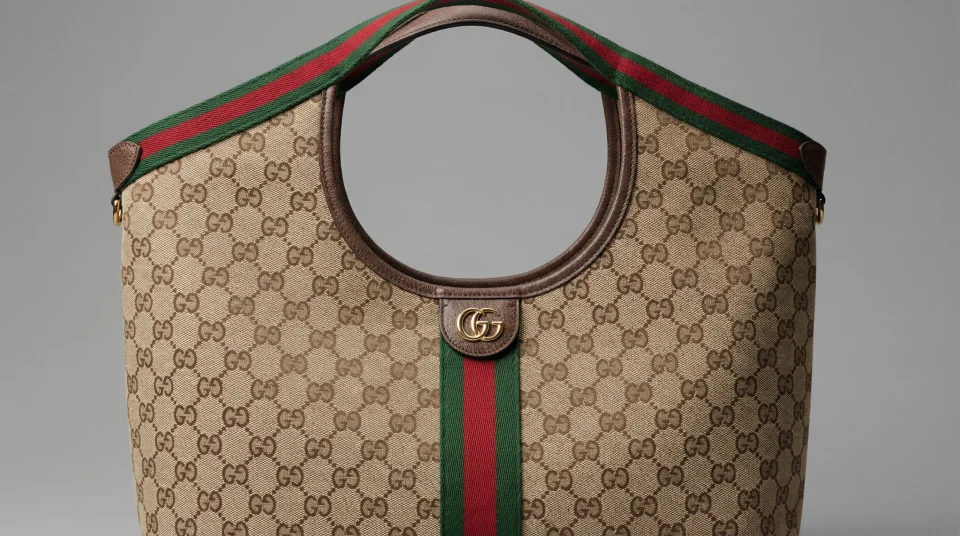
Originally, AAA was not a rung on a ladder. It was an anchor.
In the early replica market, buyers did not compare grades. They compared reliability. One company consistently delivered bags that looked right, arrived as expected, and did not fluctuate wildly from batch to batch. Buyers began using “AAA” to describe that consistency rather than a specific build level.
That lineage continues today with AAA Purse, where AAA has always represented the highest acceptable standard rather than a mid-tier compromise. While the broader market later adopted and diluted the term, the original philosophy remained centered on stability and predictability.
AAA Replica Handbags Today: How the Meaning Has Shifted
As the market expanded, “AAA” became generic. Many sellers now use it to describe anything above entry-level quality, regardless of materials, construction, or quality control. This shift is the source of most buyer confusion around AAA-grade bags.
When AAA is used correctly, it still signals disciplined production and controlled compromise. When used loosely, it becomes meaningless.
AAA Leather Quality: Real Leather vs Coated Leather vs PU
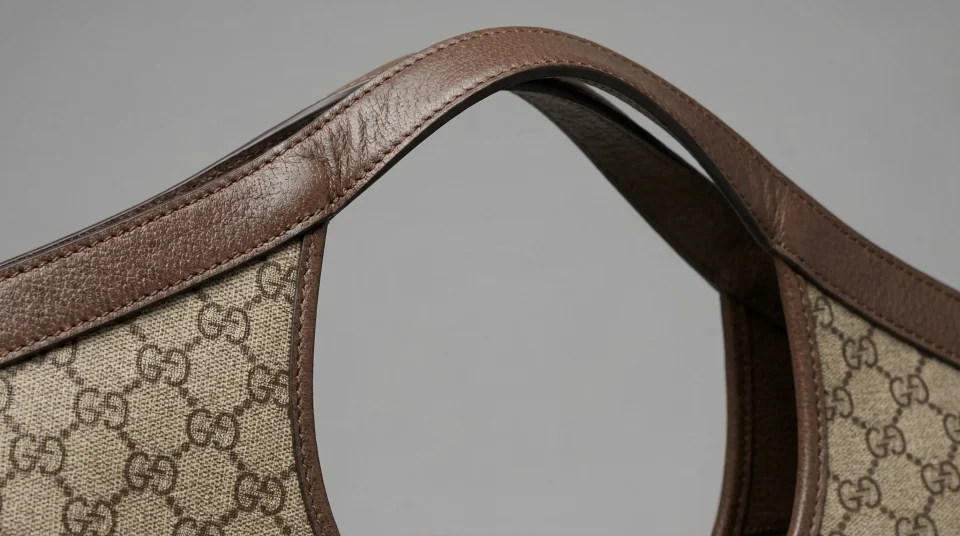
At a legitimate AAA level, genuine leather is standard. This usually means corrected-grain or lightly coated cowhide. It smells like leather, flexes like leather, and ages like leather, even if it lacks the character and grain variation of higher-tier hides.
Lower-tier sellers sometimes substitute PU or heavily coated split leather while still claiming “leather.” These materials do not patina, do not breathe, and often crack as the coating fails independently of the substrate.
Vachetta is a critical tell. True vachetta is untreated vegetable-tanned leather. It darkens, oxidizes, and stains with water and oils. If a bag claims vachetta trim and remains pale indefinitely, it is not vachetta.
AAA Construction Standards: Stitching, Structure, and Reinforcement
AAA stitching prioritizes durability and consistency. Most replicas use lock stitching rather than saddle stitching, which is acceptable when tension is even and seams are shaped correctly. Stitch pitch is usually slightly larger than authentic, and thread may be marginally glossier or thicker.
Structural integrity comes from internal reinforcement. Proper AAA builds include reinforcement boards and foam where needed to prevent premature collapse. When AAA bags fail structurally, it is usually due to shortcuts in interlining or adhesive control rather than obvious exterior flaws.
AAA Hardware Weight, Plating, Engraving, Durability and Quality
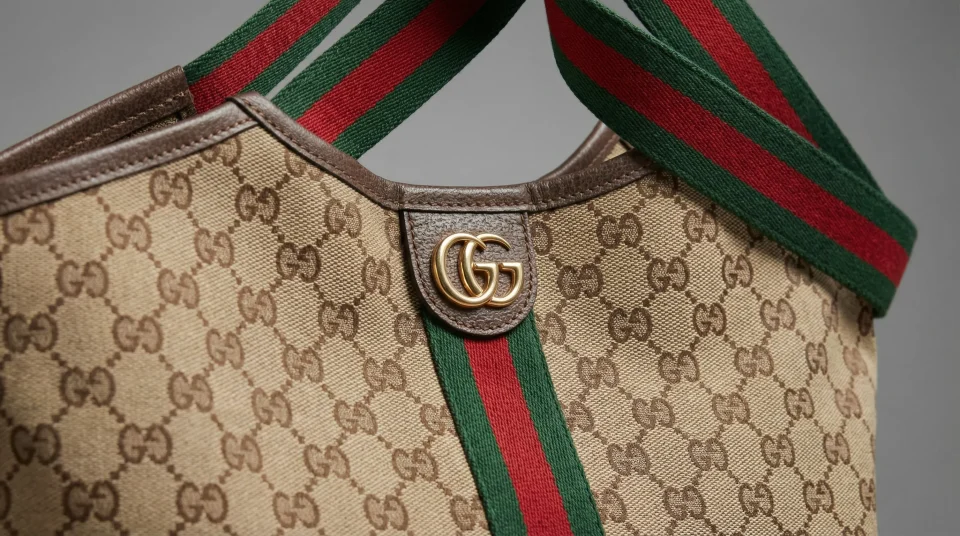
AAA hardware typically uses zinc or mixed alloys with adequate plating thickness. Weight is close to authentic, engravings are legible, and functionality is reliable. Zippers glide smoothly, though resistance may not perfectly match authentic hardware.
Plating is usually electroplated, which wears faster than PVD but performs acceptably with normal use.
Who AAA Replica Handbags Are Actually Best For
AAA is best suited for buyers who value predictability over perfection. These bags perform well in daily use, look appropriate in real-world settings, and deliver consistent quality without chasing microscopic accuracy.
Super Clone Replica Handbags Explained
The term “Super Clone” emerged as a response to a problem the market created for itself. As “AAA” became diluted and applied more loosely, sellers needed a way to signal that certain builds went beyond baseline consistency and into deliberate refinement. Super Clone became the label for replicas that attempted to close the remaining gaps between a well-made replica and an authentic bag, not just visually, but structurally and behaviorally.
In practice, Super Clone does not describe a single quality level. It describes an intent. That intent usually involves more investment in pattern development, tighter material selection, slower production, and stricter quality control. When done properly, the difference is not dramatic in photos. It becomes obvious in handling, wear, and long-term performance.
What “Super Clone” Means in Replica Handbag Manufacturing
At the manufacturing level, Super Clone typically indicates tighter tolerances across the production process. Patterns are refined rather than approximated. Instead of reverse-engineering a bag from photos alone, factories work from measured reference pieces, adjusting panel geometry, curve radii, handle drop, and gusset depth so the bag carries weight correctly and maintains its intended silhouette when worn.
Material sourcing is also more selective. Rather than using a single generic hide across multiple models, Super Clone production often involves matching leather temper and thickness to the specific bag design. Structured bags receive firmer hides with controlled rebound, while softer designs use leathers that collapse and relax naturally without looking lifeless.
Quality control thresholds are higher. Cosmetic flaws that might pass in AAA production are rejected. Stitch alignment, edge paint consistency, hardware placement, and symmetry are inspected more closely. This does not mean defects never occur, but it does mean the acceptable margin of error is narrower.
What Super Clone does not guarantee is identical construction methods or materials to authentic bags. Claims of “same factory” or “same materials” are usually exaggerations. Super Clone is about replication quality, not provenance.
Super Clone Leather and Materials: Grain, Temper, and Aging
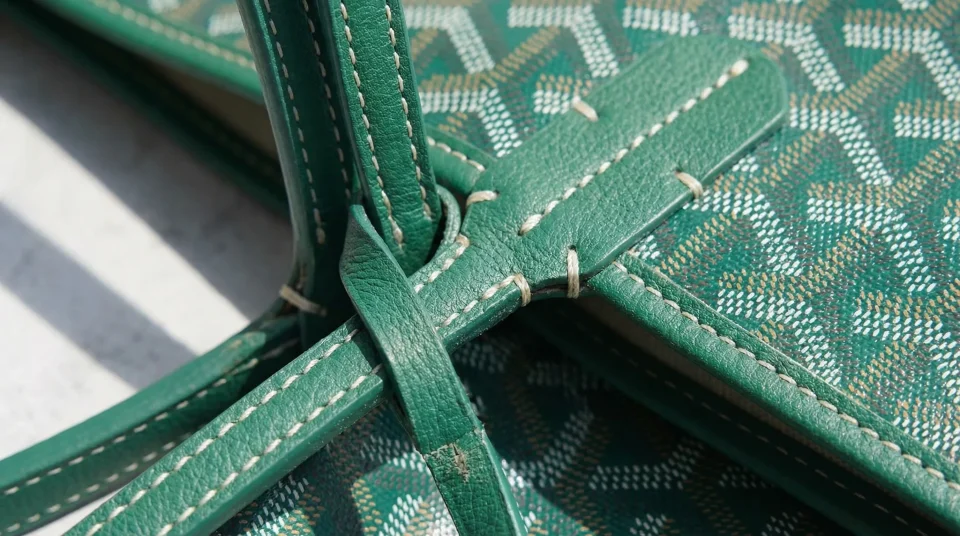
One of the clearest upgrades in Super Clone bags is how the leather behaves rather than how it looks on day one. Grain is less uniform and more organic. Light reflects unevenly across panels, closer to how natural hides behave. When pressed, the leather creases softly and recovers without sharp lines or permanent impressions.
Temper is carefully matched to the bag’s structure. Handles feel supportive without being rigid. Side panels flex without collapsing. Over time, Super Clone leather develops character rather than fatigue. Creases form where they should, not randomly, and the bag maintains a sense of intention as it ages.
In designs that use vachetta trim, higher-tier Super Clone builds use true vegetable-tanned leather rather than coated substitutes. This means the trim darkens, oxidizes, and reacts to moisture. Early water spots and uneven patina are not flaws. They are indicators that the material is behaving correctly.
These differences rarely show up in listing photos. They reveal themselves through handling and use, which is why buyers who rotate bags frequently may not notice the advantage immediately, while long-term users do.
Super Clone Stitching and Edge Finishing
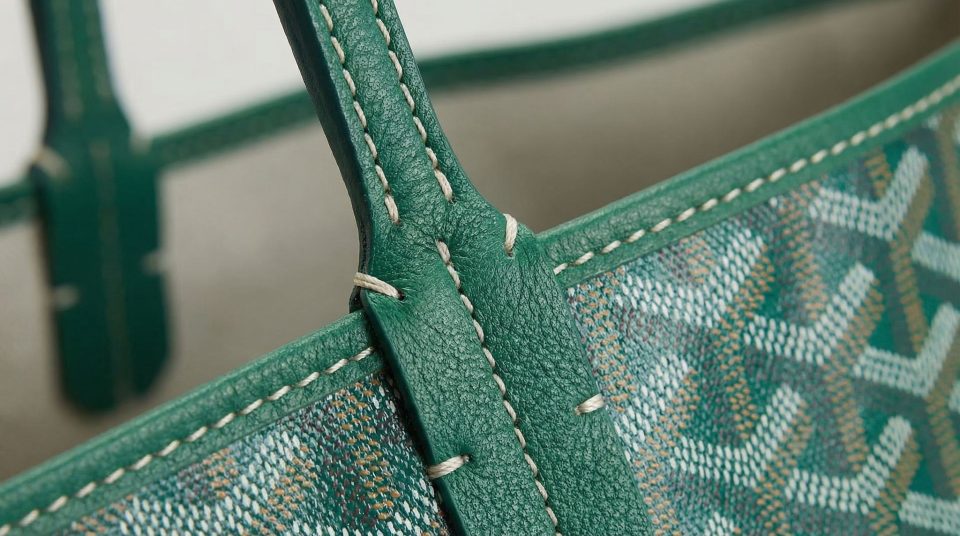
Stitching at the Super Clone level shows improvement in control rather than extravagance. Stitch pitch is more consistent across straight runs and curves. Thread sinks into the leather properly without cutting it. Tension remains even at stress points like handle bases, flap folds, and corner seams.
Edge finishing is one of the most important upgrades. Edge paint is applied in thinner, more controlled layers and allowed to cure properly. This results in edges that flex with the leather instead of cracking prematurely. Corners are smoother. Paint lines are cleaner. Transitions between leather and edge coating are sharper without looking brittle.
Glazing on handles and straps is more elastic and less tacky. Instead of feeling plasticky or overly shiny, it moves with the leather and ages gradually. Poor glazing fails suddenly. Good glazing wears quietly.
These finishing details are responsible for most of the longevity difference between AAA and Super Clone bags.
Super Clone Hardware Accuracy: Feel, Function, and Plating Tone
Hardware is where Super Clone bags often justify their price to experienced buyers. Weight distribution is closer to authentic. Clasps close with a clean, confident snap rather than a soft clamp. Spring tension feels intentional, not improvised.
Zipper performance is a key tell. Super Clone zippers glide smoothly with controlled resistance. They do not catch, grind, or feel loose. Tooth geometry is more precise, which reduces wear over time.
Plating quality improves as well. Tone remains consistent across different lighting conditions. Mid-tier hardware often looks correct indoors and shifts yellow or green outdoors. Higher-tier plating holds color more reliably. Engravings are deeper and cleaner, with correct font proportions and spacing.
While most Super Clone hardware is still electroplated rather than PVD-coated, thickness and application quality are better, resulting in slower wear and fewer early failures.
Super Clone vs AAA: Where the Real Differences Show Up Over Time
The difference between AAA and Super Clone rarely announces itself immediately. Both can look excellent out of the box. The separation becomes obvious after weeks or months of use.
AAA bags tend to age predictably. Structure softens. Edge paint shows wear sooner. Hardware remains functional but loses some visual sharpness. The bag still looks appropriate, but refinement fades.
Well-executed Super Clone bags age more gracefully. Shape retention is stronger. Edges hold longer. Leather develops character rather than fatigue. Hardware maintains both function and appearance deeper into its lifespan.
When Super Clone disappoints, it is almost always due to inconsistent quality control rather than inherent design flaws. When executed properly, it represents the most balanced tier for buyers who care about both realism and durability.
1:1 Replica Handbags: What Sellers Claim vs What’s Actually Possible
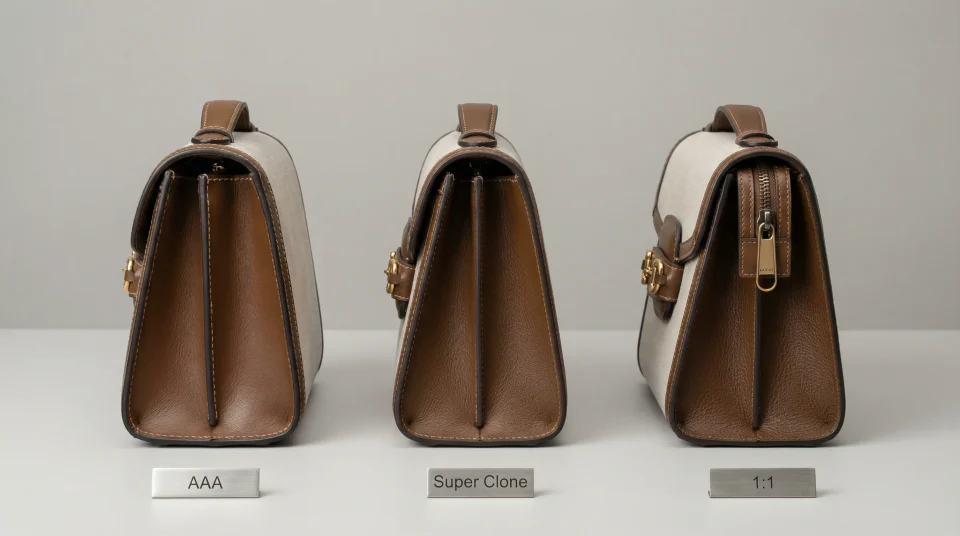
“1:1” is not a grade. It is a claim of equivalence.
Unlike AAA or Super Clone, which loosely describe production tiers, “1:1” implies something much stronger: that the replica matches the authentic bag across every meaningful dimension. In theory, that includes appearance, materials, construction, finishing, tactile feedback, and long-term behavior. In practice, very few replicas meet that bar, and almost none do so consistently across models or sellers.
The reason is not deception alone. It is manufacturing reality.
What “1:1 Replica Handbag” Is Supposed to Mean
In its most literal interpretation, a 1:1 replica would match the authentic bag in pattern geometry, leather type and temper, stitching execution, edge finishing chemistry, hardware composition, weight distribution, and how the bag ages with use.
Pattern geometry would be identical, not just close. Panel proportions would align precisely. Curve radii would match reference pieces. Handle drop and strap attachment angles would behave the same under load. Base structure would support weight the same way, neither collapsing nor over-reinforcing.
Materials would behave, not just look, the same. Leather would crease, rebound, and reflect light similarly. Vachetta trim would oxidize, stain, and patina naturally. Lining density and weave would feel correct to the touch. Hardware would have the same resistance, weight, and acoustic feedback.
Finishing would age the same way. Edge paint would wear gradually rather than crack suddenly. Glazing would flex and dull naturally. Stitching would loosen subtly over time without failing prematurely.
That is the standard implied by “1:1.” Achieving it requires more than copying a design. It requires reproducing the behavior of a product across its lifespan.
Why Most “1:1” Replica Bags Are Visual Matches Only
Most replicas marketed as 1:1 achieve parity at the surface level. Logos are positioned correctly. Fonts match. Color tones are close. Silhouettes photograph well. In controlled lighting, these bags can be extremely convincing.
What usually diverges is everything you cannot confirm from a listing image.
Internal reinforcement often differs. Authentic bags use carefully layered boards, foams, and interlinings chosen for a specific balance of structure and flexibility. Replicas frequently simplify this stack, resulting in bags that either feel overly stiff or collapse unpredictably after use.
Edge paint chemistry is another major divergence. Authentic edge paint is formulated and cured to flex with the leather for years. Many replicas use visually convincing paint that lacks elasticity or proper curing time, leading to early cracking even when the bag initially looks flawless.
Leather selection is often optimized for appearance rather than performance. A hide that looks perfect under studio lights may crease sharply, dry out, or lose structure faster than an authentic equivalent. These issues rarely appear immediately and are the reason many “1:1” bags disappoint weeks or months later.
Hardware is also frequently simplified. Plating thickness, alloy composition, spring mechanisms, and tolerances may be close enough to look right but not close enough to feel or wear the same. This is why some replicas sound, feel, or age differently even when visually indistinguishable.
The Most Common 1:1 Failure Points
The most consistent failures in bags marketed as 1:1 appear in finishing and stress management rather than design accuracy.
Edge paint cracking is the most common long-term issue. Paint that was applied too thick, cured too quickly, or formulated without sufficient elasticity fails under repeated flex, especially at corners and strap bases.
Glazing failure follows closely. Poor glazing becomes tacky, brittle, or overly shiny before cracking or peeling. Proper glazing wears gradually. Improper glazing fails abruptly.
Strap and handle reinforcement is another frequent weakness. Authentic bags distribute stress through layered reinforcement and stitching patterns. Replicas often rely too heavily on adhesive or insufficient internal support, leading to sagging or separation over time.
Inconsistent stitch tension can also undermine durability. Even when stitching looks neat, uneven tension causes premature wear at stress points, particularly around flap folds and handle attachments.
Hardware plating wear is common when plating thickness or application quality is insufficient. Color shifts, dulling, or chipping reveal shortcuts that were invisible at purchase.
None of these failures contradict the initial visual similarity. They simply reveal that the underlying engineering was not equivalent.
When a 1:1 Replica Is Actually Plausible
True 1:1 parity is most plausible under very specific conditions.
Simpler designs with fewer materials, minimal hardware complexity, and straightforward construction are easier to replicate accurately. Totes, basic shoulder bags, and designs without complex closures or layered structures are more likely to achieve close parity.
Stable production runs also matter. When a factory produces the same model repeatedly with locked patterns, consistent materials, and strict quality control, results improve. Even then, consistency across sellers is not guaranteed, because sourcing and QC discipline vary widely.
Highly complex designs with multiple materials, intricate hardware, heavy finishing requirements, or delicate structural balance are far less likely to achieve true 1:1 replication, regardless of how confidently the term is used.
For experienced buyers, “1:1” is best treated as a hypothesis rather than a promise. It signals an attempt at maximum fidelity, not proof of equivalence. Verification comes from understanding materials, construction, and long-term behavior, not from the label itself.
New and Emerging Replica Quality Terms You’ll See Online
As buyers become more educated, sellers are forced to adapt their language. When familiar grade terms lose persuasive power or become associated with inconsistency, new terminology appears. These words are not random. They are designed to signal exclusivity, closeness to authentic production, or insider access without making claims that can be easily challenged.
Understanding these newer terms is less about memorizing definitions and more about recognizing what problem the seller is trying to solve with language.
“Lushentic” Replica Bags: What the Term Is Trying to Signal
“Lushentic” is a deliberately constructed word. It blends “luxury” and “authentic” without directly claiming either. The term is meant to suggest elevated realism, refined materials, and a closer relationship to authentic craftsmanship while avoiding the explicit promises implied by “1:1.”
In practice, “Lushentic” is not tied to any standardized production process. Sellers use it to position a bag above generic AAA or even Super Clone without committing to specific technical disclosures. It often appears alongside phrases like “same look and feel,” “premium materials,” or “authentic-grade finish,” none of which describe measurable criteria.
What “Lushentic” is usually trying to communicate is intent rather than execution. The seller wants you to believe the bag sits at the upper end of the quality spectrum, but the term itself provides no insight into pattern accuracy, leather type, edge paint formulation, hardware alloy, or quality control discipline.
In many cases, “Lushentic” overlaps heavily with what other sellers would simply call Super Clone. In weaker cases, it is used to rebrand mid-tier production with aspirational language. Without technical detail, the word carries no standalone value.
“Mirror Quality” Replica Bags
“Mirror Quality” is one of the oldest euphemisms in the replica space, but it continues to resurface under different contexts. The implication is straightforward: the bag looks identical when placed side-by-side with an authentic piece, as if reflected in a mirror.
The key limitation is embedded in the word itself. “Mirror” describes appearance, not behavior.
Bags sold as “Mirror Quality” often prioritize surface-level accuracy. Logo placement, font shape, stitching layout, and color tone are dialed in to pass visual inspection, particularly in photos or quick in-person encounters. What is rarely addressed is how the bag is constructed internally or how it will perform with repeated use.
Mirror Quality does not inherently mean poor quality. Some excellent replicas meet this description visually and structurally. The issue is that the term does not distinguish between a bag that merely looks right and one that is engineered to last.
“Top Tier” Replica Bags
“Top Tier” is intentionally vague. It exists to imply hierarchy without defining where the hierarchy begins or ends.
When sellers use “Top Tier,” they are usually signaling that the bag is positioned above their standard offerings. This could mean better leather selection, stricter quality control, or simply a higher price point. The term itself provides no indication of how those improvements were achieved.
In practice, “Top Tier” often functions as an umbrella label. It may include Super Clone builds, limited-run batches, or selectively sourced units from a factory that produces variable output. Without additional detail, the buyer is expected to trust the seller’s judgment rather than evaluate specific attributes.
“Factory Grade” and “Factory Direct”
“Factory Grade” and “Factory Direct” are terms designed to imply proximity to production. The suggestion is that the bag comes from a specific factory, potentially the same one that produces higher-end replicas or even authentic components.
These terms are frequently misunderstood. Most replica sellers work through intermediaries. Direct access to factories is rare, and factories themselves often produce multiple quality levels depending on order specifications. Being “factory direct” does not guarantee high quality. It simply means the seller claims fewer middle layers.
“Factory Grade” usually implies that the bag meets a factory’s higher internal standard rather than its lowest-cost output. That may be true, but factories are not regulated entities, and their internal grading systems are not transparent.
Other Buzzwords You’ll Encounter
Terms like “Premium Batch,” “Exclusive Run,” “Private Order,” and “Collector Grade” appear periodically. These phrases are designed to suggest scarcity, selectivity, or insider access. Sometimes they reflect real differences, such as limited production runs or stricter QC. Often, they are narrative devices used to justify higher pricing.
The common thread across all of these terms is that they describe positioning, not process.
Why New Terms Keep Appearing in the Replica Market
Language inflation is a predictable response to buyer sophistication.
As buyers learn that “AAA” can mean different things, sellers introduce “Super Clone.” When Super Clone becomes widely used, sellers introduce “Lushentic” or “Top Tier.” Each new term resets expectations without requiring changes to production.
Price pressure accelerates this cycle. As costs rise and competition increases, sellers need new ways to differentiate offerings that may be structurally similar. Language becomes the easiest lever to pull.
For buyers, the solution is not to chase the newest term. It is to translate marketing language back into technical questions about materials, construction, finishing, and quality control. Terms change. Craftsmanship does not.
The Technical Factors That Actually Determine Replica Handbag Quality
Replica handbag quality is not decided by a single feature. It emerges from how multiple systems interact. A bag can excel in one area and fail in another, and those failures often only reveal themselves with time. Understanding these technical factors allows buyers to evaluate quality independently of grade labels.
Pattern Accuracy and Structural Geometry
Pattern accuracy is the foundation of every handbag. It governs how the bag carries weight, how it sits when placed down, and how it behaves when worn on the shoulder or arm.
Panel proportions determine balance. If a front panel is even slightly oversized relative to the sides, the bag will balloon when filled. Curve symmetry affects how flaps and gussets align over time. Poorly mirrored curves lead to twisting and uneven sag.
Handle drop and attachment angle control how the bag hangs. Handles that are too upright feel awkward and strain attachment points. Handles that are too relaxed collapse inward. Authentic bags are engineered to distribute stress gradually through the handle base and upper panel. Replicas often miss this nuance.
Gusset depth and base footprint dictate structure. Too shallow and the bag feels flat and unstable. Too deep and it loses elegance. Base reinforcement must match the intended load of the design. Incorrect base geometry is one of the main reasons replicas feel “off” even when they look right.
Leather Type and Behavior (Including Vachetta Patina)
Leather quality is not about softness alone. It is about behavior.
Genuine leather flexes and rebounds. When pressed, it creases gently and recovers without sharp lines. Cheap or heavily coated leather creases abruptly and holds those creases, leading to a fatigued appearance early in the bag’s life.
Grain response under light is another tell. Natural hides reflect light unevenly due to fiber variation. Overly uniform reflection often indicates corrected grain or synthetic coatings.
Vachetta leather is one of the most revealing materials. True vachetta is untreated vegetable-tanned leather. It oxidizes, darkens, and patinas with exposure to air, oils, and moisture. Early water spots and uneven coloration are expected. If vachetta trim remains pale, resists staining, or peels, it is either coated or not genuine.
Leather temper must match the bag’s design. Structured bags require firmer hides with controlled rebound. Slouchy designs need softer leather that collapses intentionally without looking lifeless. Mismatched temper is a common replica flaw.
Stitching Technique and Thread Selection
Stitching quality is about control, not extravagance.
Most replicas use lock stitching rather than saddle stitching. This alone does not determine quality. What matters is stitch tension consistency, especially around curves and stress points. Uneven tension leads to premature wear even if the stitching looks neat.
Stitch angle should follow the pattern. Forced straight stitching across curved seams creates puckering and long-term distortion. Thread thickness and finish matter as well. Overly glossy or thick thread often indicates a focus on durability over authenticity, which is acceptable at lower tiers but less so at higher ones.
Stitch density should feel intentional. Extremely dense stitching can look “machine-perfect” in a way that feels unnatural, while sparse stitching undermines strength. Balance is key.
Edge Paint, Glazing, and Long-Term Finish Durability
Finishing is where most replicas reveal their true quality over time.
Edge paint is a layered polymer system, not just cosmetic paint. Composition, application thickness, and curing time determine elasticity. Paint applied too thick cracks. Paint cured too quickly becomes brittle. Properly executed edge paint flexes with the leather and wears gradually.
Corners are the stress test. Poor edge paint fails there first. High-quality finishing shows smooth transitions, clean lines, and controlled thickness even at sharp curves.
Glazing on handles and straps should feel supple, not tacky or plasticky. Cheap glazing looks shiny at first and then fails abruptly. Proper glazing dulls and softens over time without cracking.
These details are rarely visible in factory photos and dominate long-term satisfaction.
Hardware Engineering and Zipper Construction
Hardware quality is tactile before it is visual.
Alloy composition determines weight and durability. Lightweight hardware often feels hollow and wears quickly. Better alloys feel dense and balanced in hand.
Plating method matters. Electroplating is common and acceptable but wears faster. Thicker application slows degradation. Poor plating shifts color under different lighting or chips early.
Engraving depth and font accuracy matter for realism, but so does edge sharpness. Over-pressed engravings look crude. Under-pressed engravings fade quickly.
Zipper construction is one of the clearest tells. Tooth geometry, track alignment, and pull resistance should feel smooth and deliberate. Grinding, catching, or excessive looseness indicates shortcuts.
Spring tension in clasps and locks should feel confident. Weak tension leads to accidental opening and faster wear.
Interior Lining and Internal Reinforcement
Interior quality is invisible but decisive.
Lining material should match the design. Authentic bags often use tightly woven microfiber, canvas, or leather with specific densities. Thin or slippery linings cheapen the feel and wear quickly.
Internal reinforcement determines longevity. Reinforcement boards, foam layers, and interlining distribute stress and preserve shape. Poor internal structure causes sagging, warping, or collapse even when exterior materials are decent.
Foam density matters. Too soft and the bag loses structure. Too rigid and it feels unnatural. Balance separates durable replicas from disposable ones.
How Experienced Buyers Evaluate Replica Handbag Quality
Experienced buyers rely less on labels and more on observation.
What to Look For in Photos and Videos
Straight-on angles reveal proportion errors that angled shots hide. Compression tests show leather quality and internal structure. Macro shots of corners expose edge paint discipline. Videos of hardware movement reveal spring tension, zipper quality, and alignment.
Photos that avoid these views are often avoiding scrutiny.
What You Can Only Learn After Real Use
Real use exposes sag behavior, creasing patterns, finish wear, and hardware fatigue. Bags engineered properly age gradually. Poorly built bags fail suddenly.
Time is the ultimate quality control test.
Why Consistency Matters More Than Labels
One excellent unit proves nothing. Repeated consistency proves everything.
A seller who delivers stable quality across orders offers more value than one who occasionally produces a near-perfect bag surrounded by variability. Consistency builds trust. Trust eliminates the need for inflated language and constant rebranding.
That principle is what originally gave AAA its meaning, long before grades became marketing tools.
About the Author
Ari Erhart is a long-standing consultant and analyst in the replica fashion industry, with extensive experience across handbags, watches, footwear, and factory-level production systems. Known for his deep understanding of material behavior, market dynamics, and real-world wear, Ari is widely regarded as a leading authority on how replica fashion integrates seamlessly into modern wardrobes.